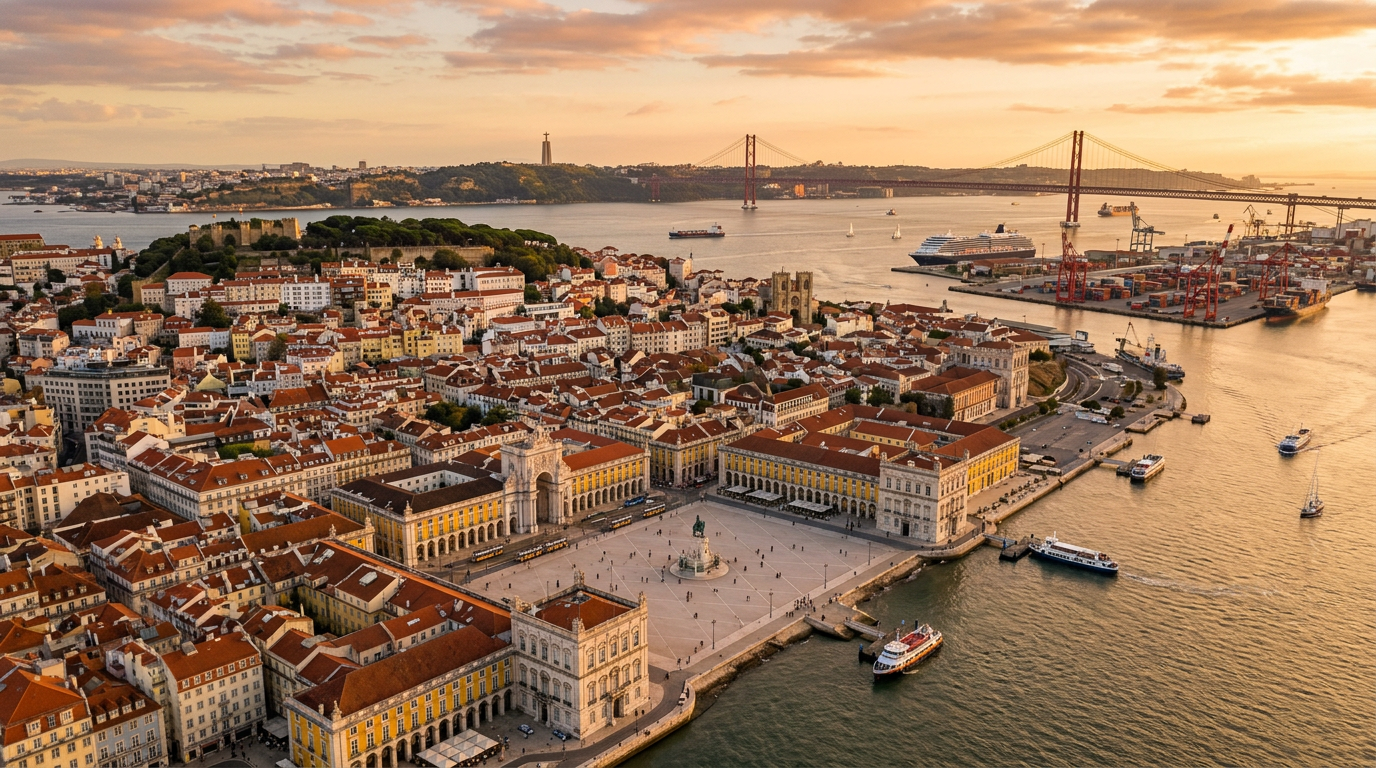
There is a particular quality to port city culture that distinguishes these places from inland cities of comparable size, wealth, and cultural achievement. The harbour-facing city has always been an open city: open to trade, open to migration, open to ideas carried on ships from distant places. This openness has, over centuries, produced urban cultures that are characteristically more cosmopolitan, more tolerant of difference, more interested in novelty, and more creatively fluid than the cultures of cities that have grown without the constant stimulus of maritime exchange.
The great port cities of history – Alexandria, Venice, Amsterdam, Lisbon, Singapore, Hong Kong, New York – have each demonstrated this character in their own way and their own era. They were the cities where new goods first appeared, where foreign words entered the local language, where cuisines mixed, where architectural styles collided and produced hybrid forms, where the artists and writers went because the raw material of the world was most concentrated. The port created the city's character, and the city's character shaped everything that was produced within it.
Lisbon: Memory and the Atlantic
Lisbon occupies a unique position among European port cities as the launchpad of the Age of Exploration. From the harbours below its hills, the Portuguese expeditions departed that would chart the coasts of Africa, discover the sea route to India, reach Brazil, and establish the first genuinely global trading network. The city carries this history in its music as much as in its monuments: fado, the distinctive Portuguese musical tradition of melancholy longing and fate, is inseparable from the maritime experience of departure, distance, and loss that was woven into the lives of generations of Lisboetas whose fathers and sons sailed away on vessels from which many never returned.
Contemporary Lisbon has experienced a remarkable cultural renaissance that sits in fascinating tension with its heavy historical identity. The Alfama district, climbing the hill below the castle, preserves a medieval urban fabric of narrow alleys, tilework, and ancient buildings that speak directly to the pre-modern port city. A few kilometres away, the waterfront at Belem has been transformed with contemporary cultural institutions – including the stunning MAAT museum – that position Lisbon as a city actively engaging with the present rather than simply commemorating the past. The tension between these poles is part of what makes Lisbon one of the most interesting cities in Europe to explore slowly.
Singapore: The Port as Nation
No city demonstrates the transformative power of the port more dramatically than Singapore. A virtually uninhabited island at the southern tip of the Malay peninsula in 1819, Singapore became, under Sir Stamford Raffles, a free port – open to all traders from all nations, with no tariffs or restrictions. The results were rapid and astonishing: within a decade it was the busiest port in South-East Asia. Within a century it was one of the most important trading cities in the world. Today it is a nation-state whose entire identity and existence are inseparable from its status as a port.
The cultural consequences of this history are visible everywhere in Singapore's extraordinary diversity. Hokkien, Malay, Tamil, and British colonial cultures all contributed to what is now one of the world's most complex multicultural societies. The food alone – a synthesis of Chinese regional cooking, Malay tradition, Indian spice culture, and colonial influence, available at hawker centres that are now recognised by UNESCO as intangible cultural heritage – is one of the most persuasive arguments for the cultural richness that maritime trade and migration produce.
Amsterdam: The City Built on Trade
Amsterdam's golden age in the seventeenth century was entirely a product of its position as the dominant port in a network of global maritime trade. The Dutch East India Company, the most powerful commercial organisation the world had yet seen, was headquartered here; the city's merchants funded the voyages that brought spices, silk, porcelain, and luxury goods from Asia to European markets. The wealth generated by this trade built the canal houses, funded the paintings of Rembrandt and Vermeer, and created the civic institutions that made Amsterdam the most sophisticated city in Europe.
The culture that this trading history produced was characteristically pragmatic, tolerant, and interested. Amsterdam became the city where Spinoza published his philosophy, where Descartes chose to live and work, where persecuted minorities found refuge. The port city's professional interest in maintaining good relations with buyers and sellers from every background translated into a civic culture that was, by the standards of its time, remarkably open to difference. This tradition persists: Amsterdam remains one of Europe's most openly multicultural and intellectually active cities, a character shaped by centuries of maritime openness that no amount of inland development could fundamentally alter.
Arriving by Sea: The Port City as First Impression
There is no better way to understand a port city's character than to arrive by sea. The approach by water reveals the city from the angle that shaped its history: the angle from which trade arrived, from which enemies attacked, from which fortune came or failed to come. The skylines of Dubrovnik, Hong Kong, Sydney, and New York are among the most famous views in the world precisely because they are views from the water – views that have been seen by millions of arriving sailors and travellers over centuries and that carry the accumulated weight of those arrivals.
Arriving by cruise ship into a working port – even a port adapted for tourism – retains something of this historical resonance. The sensation of a large vessel moving slowly through a harbour, the city revealing itself in stages as you approach the quay, the moment when the engines quiet and the sounds of the city become audible for the first time – these experiences connect the contemporary traveller, however briefly, to the long chain of maritime arrivals that created and shaped the place they have come to visit. Understanding the port city as a product of the sea makes every arrival richer and every subsequent exploration more meaningful.