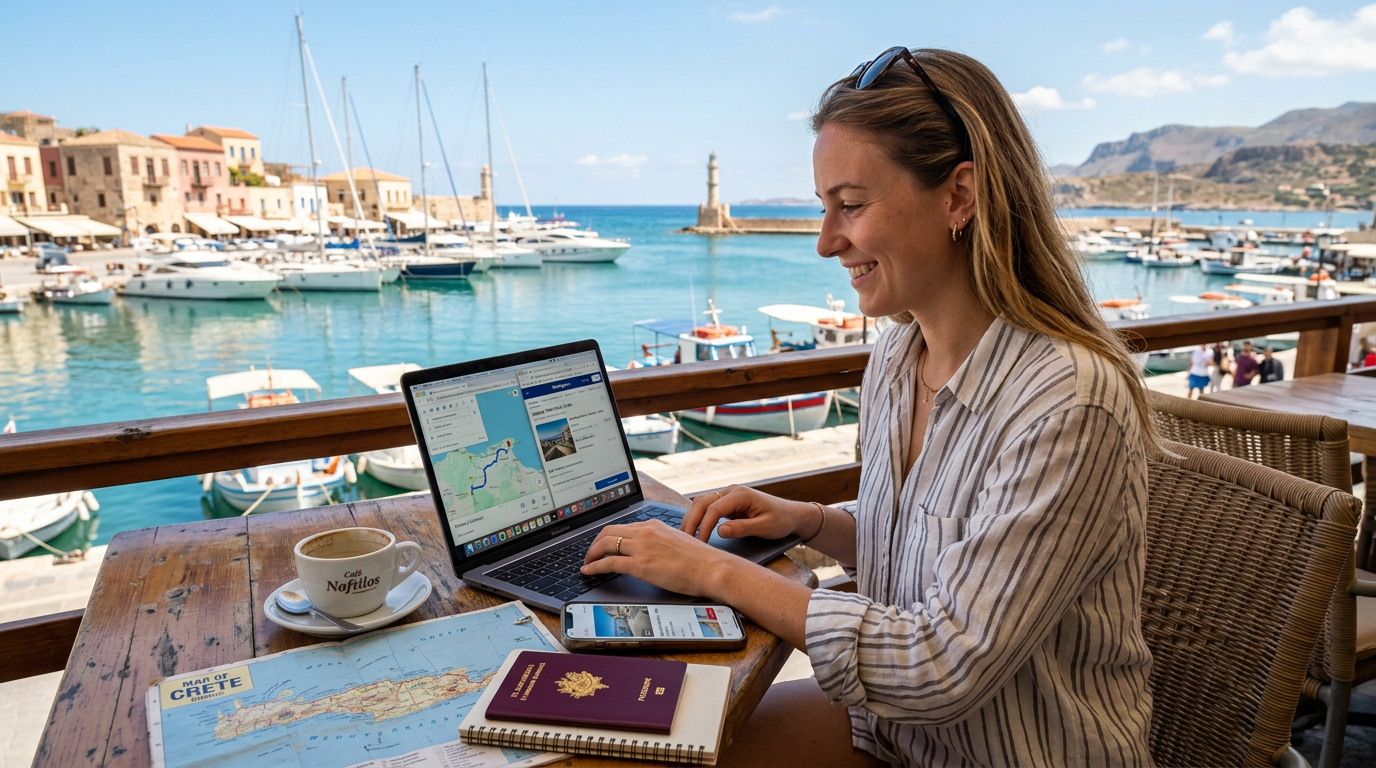
The experience of planning a complex journey has been transformed beyond recognition in the past decade. The traveller of 2010 faced a laborious process: consulting physical guidebooks, calling hotels directly, using travel agents whose knowledge was necessarily limited, and assembling a puzzle of information from multiple disconnected sources. The traveller of 2025 has access to real-time pricing across millions of hotels and hundreds of airlines, personalised recommendation systems trained on the preferences of millions of similar travellers, and review ecosystems providing candid assessments of every aspect of any destination or service.
This transformation has been driven by the aggregation of travel inventory into digital platforms, the development of powerful search and comparison algorithms, and the accumulation of user-generated content on platforms such as TripAdvisor, Google Maps, Airbnb, and Booking.com. The result is a traveller who is, on average, significantly better informed before departure than any previous generation and who expects a higher standard of accuracy and transparency from every aspect of the travel experience.
AI and Personalised Itinerary Building
The application of artificial intelligence to travel planning is still in its early stages, but the direction of development is already transforming how people approach complex trip building. AI-powered itinerary tools – some standalone applications, others integrated into existing booking platforms – can process a traveller's stated preferences, travel history, budget constraints, and logistical requirements to suggest itineraries that would take hours of manual research to assemble.
Large language model-based travel assistants – built on technologies similar to those powering general-purpose AI chatbots – have emerged as a new category of planning tool that can engage in genuine dialogue about travel preferences, provide contextualised recommendations, and help travellers refine plans through iterative conversation. While these tools require careful fact-checking (AI systems can hallucinate specific details including prices, opening hours, and addresses), they represent a significant advance in accessible personalised travel advice for travellers without the budget for human travel consultants.
Real-Time Booking and Dynamic Pricing
The real-time visibility of travel pricing across virtually all categories of accommodation, transport, and activities has both empowered travellers and created new forms of complexity. Airline dynamic pricing algorithms can produce fares that vary by hundreds of pounds over the course of a single day, based on demand patterns, booking lead time, route competition, and dozens of other variables. Understanding when and how to book to access the best prices requires either considerable experience or the assistance of tools designed specifically for this purpose.
Flight price tracking tools such as Google Flights, Kayak, and Hopper use historical pricing data and predictive algorithms to advise travellers on whether current fares represent good value and whether prices are likely to rise or fall in the near term. The accuracy of these predictions is imperfect – external events including fuel price shocks and sudden demand changes can invalidate even well-calibrated models – but they provide a significantly better basis for booking decisions than unaided human intuition alone.
Augmented Reality and Location-Based Experiences
Augmented reality (AR) applications for travel have moved from novelty to genuine utility over the past several years. Google Translate's camera translation feature has become an indispensable tool for independent travellers in countries with non-Latin scripts; pointing a phone camera at a restaurant menu or shop sign and seeing an instant translation has removed a significant practical barrier to off-the-beaten-path exploration.
Museum and heritage site AR applications are becoming increasingly sophisticated, overlaying historical images, structural reconstructions, and contextual information onto real-world views of archaeological sites. The Acropolis Museum in Athens has pioneered AR experiences allowing visitors to see how the Parthenon's sculpted frieze appeared in its original painted condition. Applications of this kind transform visits to fragmentary ancient sites from exercises in imagination into something approaching direct visual experience.
The Offline Challenge and Digital Detox
There is a paradox at the heart of digital travel: the more technology enables seamless connectivity and information access, the more some travellers actively seek destinations and experiences where that connectivity is absent. The "digital detox" travel segment – resorts and experiences deliberately structured around minimal or no internet access – has grown significantly, driven by recognition that constant connectivity can reduce the quality of travel experience rather than enhancing it.
The most thoughtful travel technology recognises this tension. The best applications provide rich information when needed and step back when not needed, rather than continuously competing for attention. A navigation application that provides clear directions to a destination and then falls silent is more valuable in practice than one that continuously suggests related points of interest, offers promotional content, and sends reminders. As the travel technology market matures, this distinction between genuinely useful and merely attention-seeking features is likely to become a significant differentiator.
The future of digital travel planning will likely involve increasing integration between planning and experience: AI systems updating recommendations in real time based on unexpected weather or changes in the traveller's interests during the trip; AR experiences increasingly indistinguishable from physical reality in their richness; and personalisation systems sophisticated enough to genuinely anticipate preferences rather than simply reflecting historical choices. The direction is clear, and the pace of change continues to accelerate in ways that will reward travellers who learn to use these tools thoughtfully.